
Asia Fruit Logistica 2026: Technology Reshaping the Industry Chain, Three Major Forces Driving Global Supply‑Chain Resilience Upgrades
2026-09-02 to 2026-09-04
From 2 to 4 September, the 19th Asia Fruit Logistica (AFL) was held at the AsiaWorld‑Expo in Hong Kong. If RBHK focuses on changes at the foodservice end, AFL focuses on efficiency upgrades at the upstream of the fruit and vegetable industry chain.
This edition attracted over 760 exhibitors from 41 countries and regions, with 27 national/regional pavilions on site. Major Chinese players such as JGN, Maoxiong Group and Xianfeng Fruit were all present.
[2].jpg)
Looking back at this year’s AFL, two keywords ran throughout: technology and resilience.
On the FRESHTech stage, industry speakers shared real‑world case studies on digital agriculture, AI‑powered fruit inspection, fresh‑produce preservation and cold‑chain logistics; the Nut & Dried Fruit Forum brought together industry experts to discuss shifting consumer demand for healthy and convenient foods. For fruit and vegetable exporters, spoilage rates and quality control are profit.
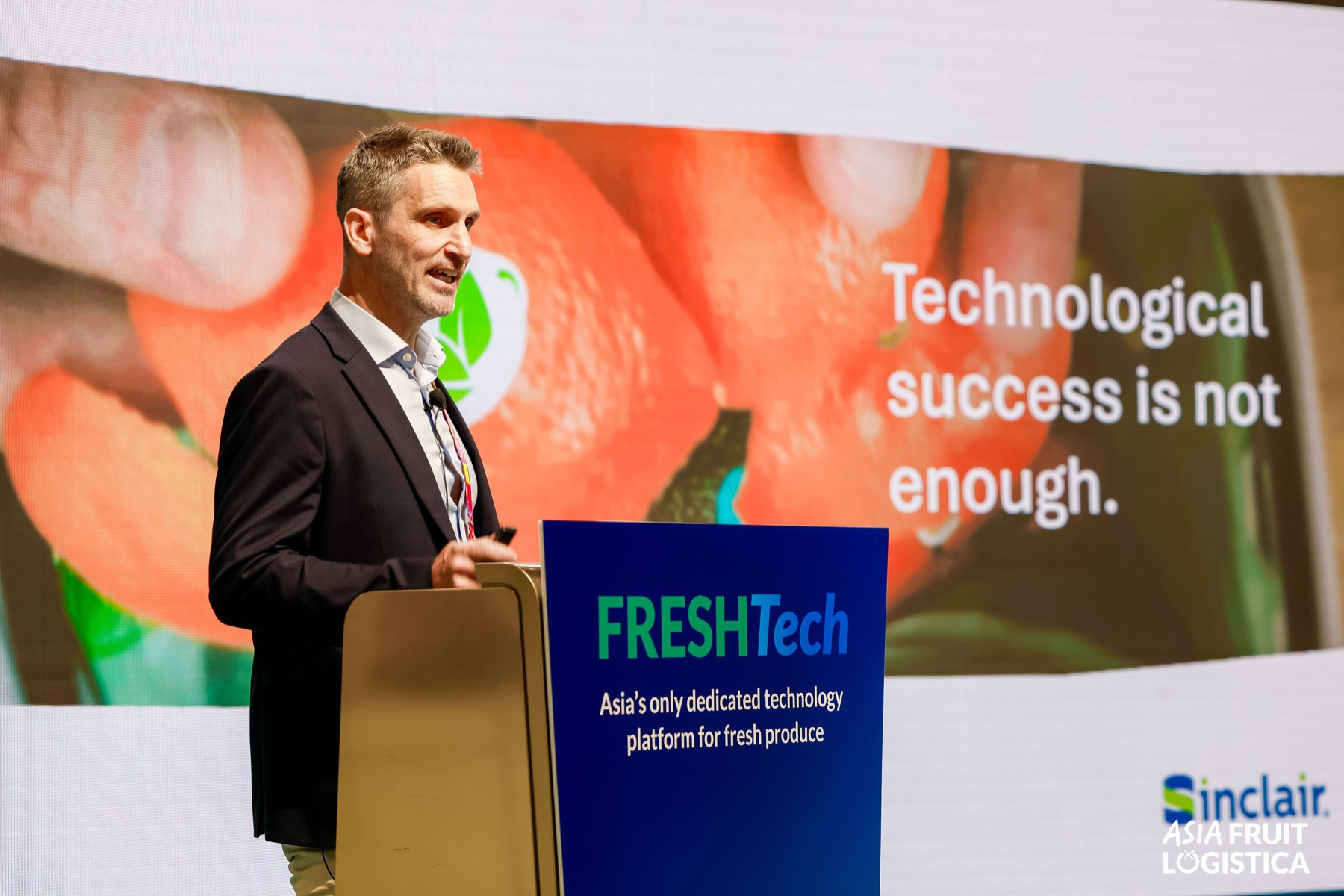
Alongside the trading buzz on the show floor, industry leaders expressed deeper reflections in closed‑door sessions. Dozens of CEOs and senior executives from core global fruit and vegetable companies participated, engaging in in‑depth dialogue on Asia’s growth potential and supply‑chain challenges.
The core consensus from the summit was clear and stark: Asia’s growth potential is beyond doubt, but the difficulty of bringing supply to market has never been greater. The summit explicitly noted that climate volatility is undermining harvest predictability, tariffs and trade frictions are complicating traditional shipping routes, and global conflicts are triggering ripple effects in logistics – three pressures are reshaping global supply chains in real time.

Resilience is no longer optional – it is the ultimate metric by which modern buyers evaluate suppliers. For producers, resilience means: not putting all eggs in one production region or one logistics corridor; establishing alternative supply plans and transparent traceability systems. In an era of such uncertainty, those who can build more stable supply systems, more agile response mechanisms and more transparent traceability will win long‑term customer trust.