The Malaysia International Halal Showcase (MIHAS)
2026-09-23 to 2026-09-25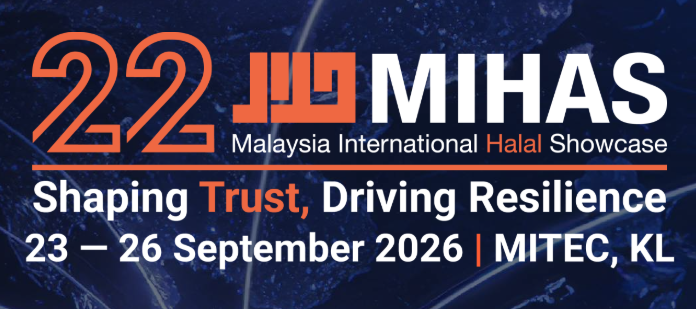
Organised by MATRADE (Malaysia External Trade Development Corporation) under Malaysia’s Ministry of International Trade and Industry, this exhibition is the front line for observing how the global Halal trade system operates.
This year’s international buyer applications have exceeded 500, far above the original target of 300. Some 4,000 one-to-one business meetings are expected to match deals at scale. Even JETRO of Japan, a non-Muslim country, has set up a national pavilion here for years, and only organises certified agri-food enterprises to exhibit.
But what the exhibition displays is only the surface of this system. Who can enter and how they enter is determined by the rules behind it.
This year, the rules are tightening. To understand this exhibition, one must first understand the regulatory changes now taking effect.
1、Mandatory Certification Regime About to Take Effect
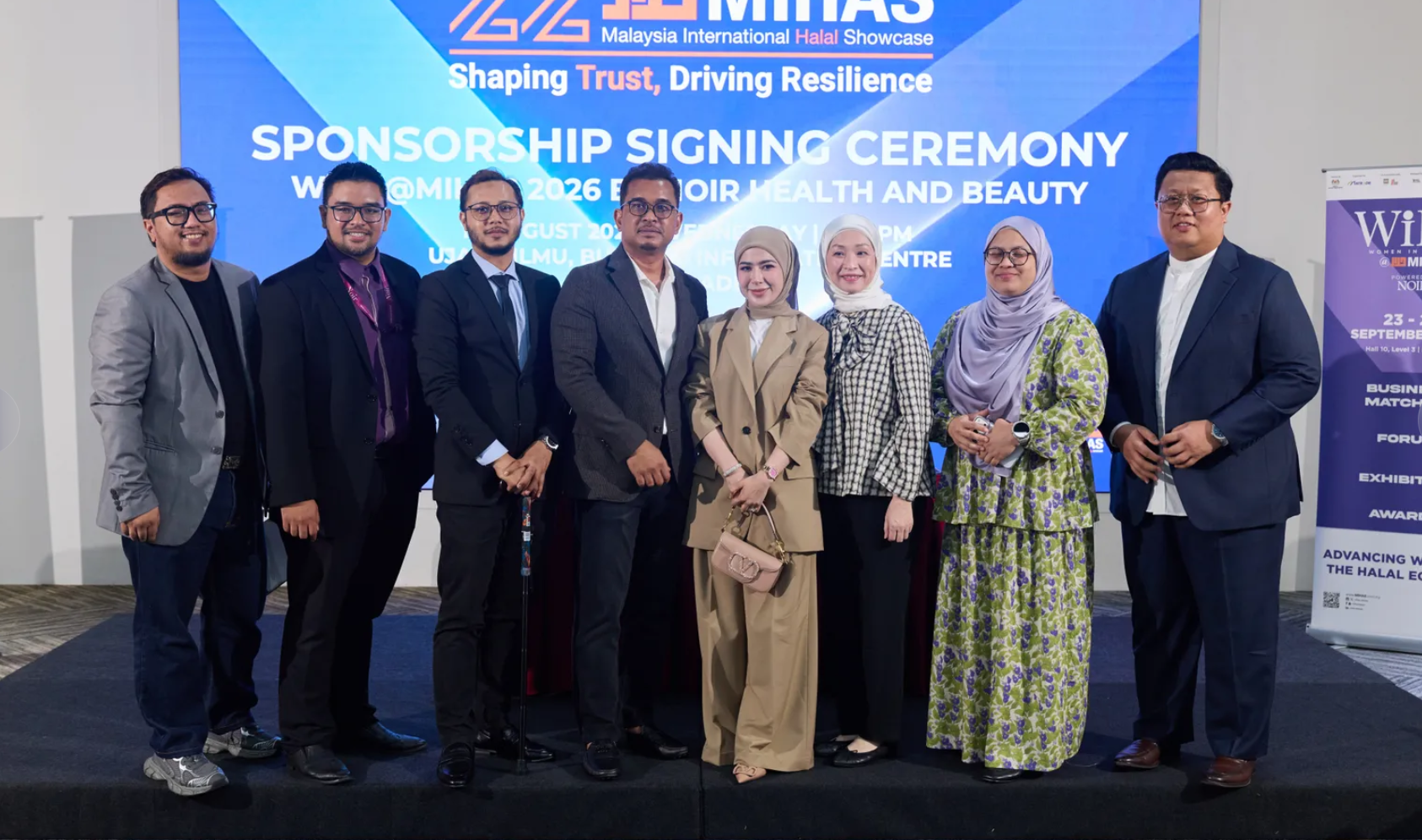
In June 2026, Ahmad Haikal Hasan, head of BPJPH (Badan Penyelenggara Jaminan Produk Halal, Indonesia’s statutory Halal certification body under the Ministry of Religious Affairs), publicly urged companies to complete Halal certification before the mandatory deadline. One remark deserves Chinese food exporters’ attention: “Today, Halal is no longer just a necessity for Muslims; it is a globally recognised standard of quality, safety, transparency and traceability.”
From 17 October 2026, Indonesia will fully implement a mandatory Halal certification system. After that, uncertified imported products may no longer circulate legally in the Indonesian market.
Once mandatory, uncertified products will face two scenarios: either they cannot legally circulate in Indonesia, or, under relevant regulations, they must be clearly labelled “non-Halal” on packaging for sale. In a country where Muslims account for nearly 90% of the population (about 240 million), choosing the latter is equivalent to choosing to exit the mainstream market.
A tighter policy has already taken effect: on 9 September 2026, BPJPH Regulation No. 4 of 2026 came into force. Imported Halal products must undergo conformity verification in the country of shipment and/or country of origin before shipment, and obtain the Halal Product Assurance Report (Laporan Pemastian Produk Halal, LPPH) before customs declaration — and this report is valid only for a single shipment or entry.
2、 Access Is Strict, but the Market Is Truly Huge
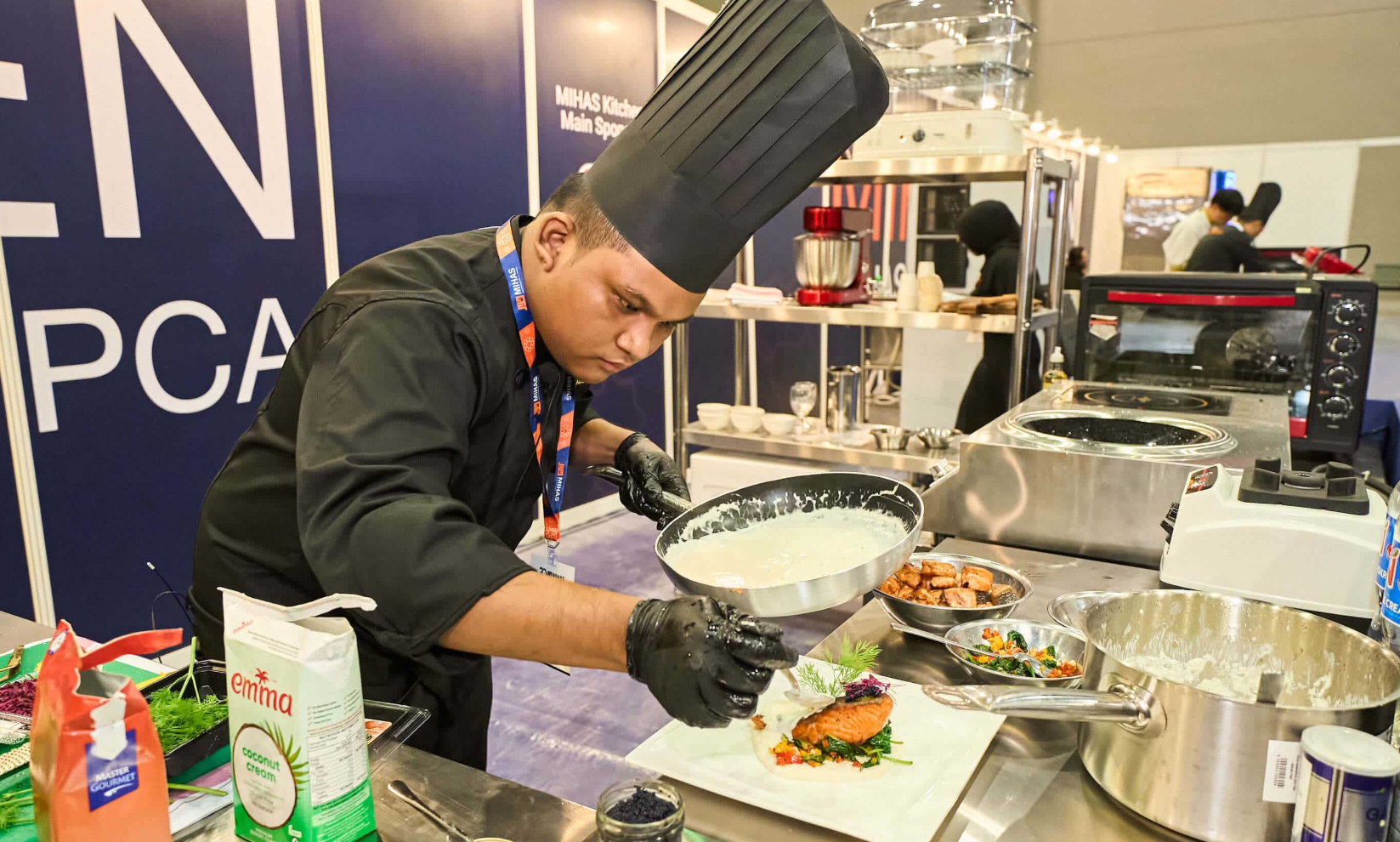
For Halal food going global, market capacity is enormous. Global Muslim consumer food expenditure was USD 1.53 trillion in 2024 and is projected to rise to USD 2.06 trillion by 2029, an increase of about USD 530 billion over five years. This increment alone exceeds the overall size of most regional food markets.
Besides consumption, import growth is equally clear. According to DinarStandard, in 2023 OIC member states imported about USD 407.7 billion in Halal-related products, projected to reach about USD 608.4 billion by 2028. Saudi Arabia, the UAE, Turkey, Indonesia and Malaysia are the main import markets. This shows Halal food trade is not regionally self-sufficient; there is stable cross-border procurement demand.
3、 China’s Position: Years of Capacity Going Global, Certification Catch-Up Just Beginning
China is a major producer of Halal food but weak in certification.
China has a highly competitive food processing supply chain, with advantages in category breadth, supply capacity and cost-performance. From specialty agricultural products in the northwest to midstream compound seasonings, food additives and snack foods, Chinese factories, with strong industrial capacity, in fact supply a large share of upstream ingredients and semi-finished products to the Middle East and ASEAN markets, giving them strong hard power for going global.
However, in certification, China has not yet established a unified national-level Halal certification export system. Domestic certifying bodies are localised and fragmented, with limited international mutual recognition. When facing statutory “gold standards” with global credibility such as Malaysia’s JAKIM or Indonesia’s BPJPH, Chinese enterprises often fall into the dilemma of “capacity without a voice”.
The key to breaking through is to turn “passive compliance” into a “compliance asset”. Enterprises must go deep into the source of the supply chain to complete Halal transformation, and learn to “borrow a boat to go global” — prioritising direct mutual recognition channels with Malaysian and Indonesian authorities, and turning China’s manufacturing capacity advantage into an irreplaceable compliance moat in the global Halal trade network.
4、 Back to Kuala Lumpur: Why This Exhibition Is Worth Seeing and How to See It
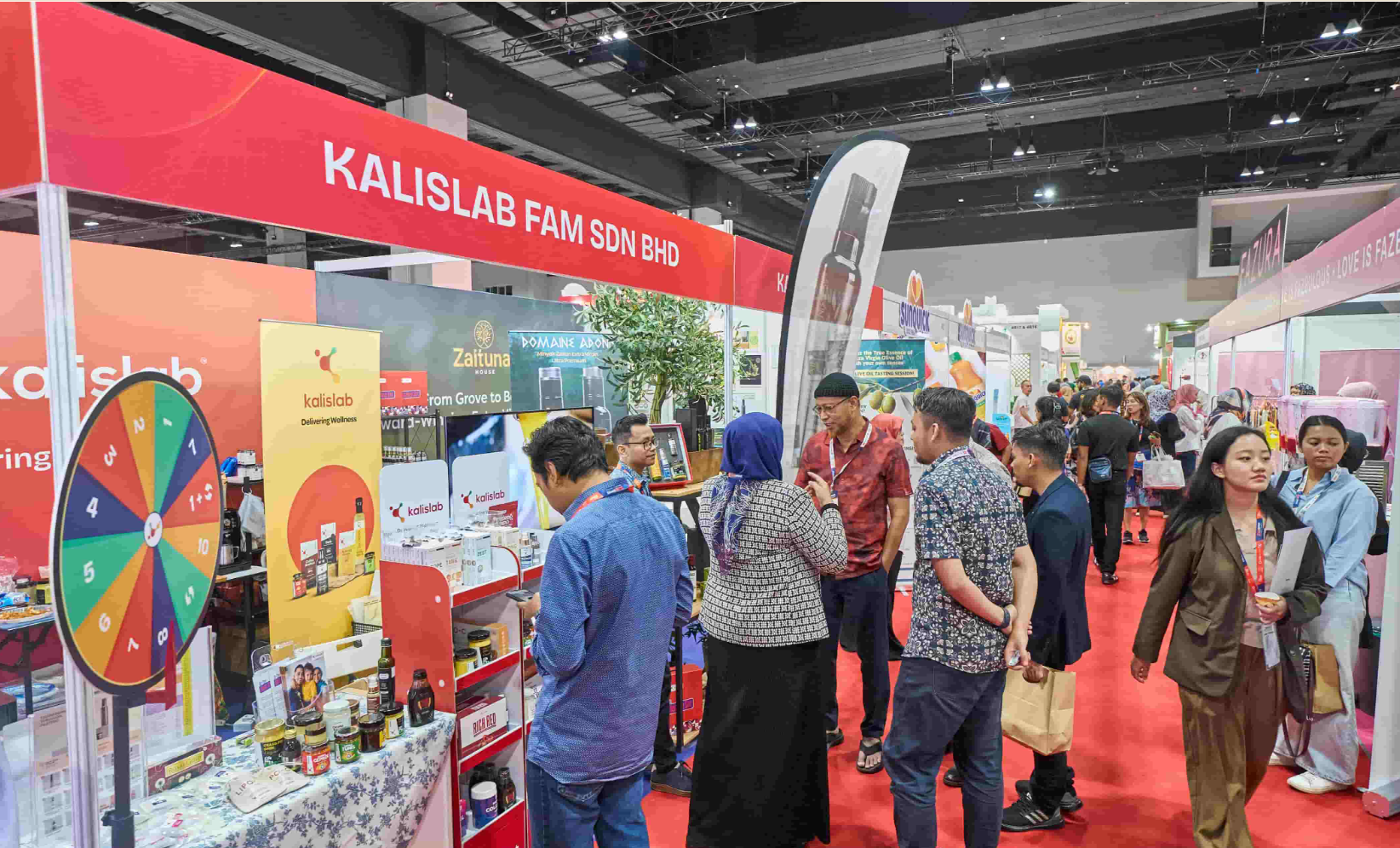
For Chinese enterprises entering the Halal market, the bottleneck has never been the product itself. Whether in capacity, cost or category breadth, Chinese manufacturers have a solid foundation. What truly blocks them are two things: first, whether every link in the supply chain, from source to shipment, can withstand a full-chain Halal standards audit; second, once certified, whether the certificate can truly “travel” in the target market at the lowest cost and in the shortest time.
The value of MIHAS 2026 lies precisely in its ability to answer both questions at once.
01. “Seeing” the Standards at the Exhibition
JAKIM’s audit logic is essentially an examination of the “Halal integrity” of the entire supply chain. From raw material traceability, production segregation, warehousing and logistics, to slaughtering and labelling compliance, if any link involves porcine derivatives or ethanol cross-contamination, the entire batch will be judged non-Halal. This means enterprises do not need to “change a recipe”; they need to realign the entire supply chain with one set of standards from start to finish.
This is hard to grasp domestically because you cannot see “what the standard looks like”. What MIHAS provides on site is precisely a physical reference for how the standard is implemented.
The vast majority of exhibitors hold JAKIM-issued certification, widely recognised in ASEAN, the Middle East and most major Halal import markets worldwide. Their product packaging, ingredient labelling methods, production line segregation plans and even booth display logic are themselves a set of “compliance samples” for reference. Visitors can observe on site the shape of a supply chain with compliance built in, and after returning home can begin adjusting their own supply chain.
02. Borrowing a Boat to Go Global: A “Ticket” on the Malaysia–Indonesia Mutual Recognition Channel
In 2025, Malaysia and Indonesia achieved formal mutual recognition of Halal certificates. Products holding proper JAKIM certificates can directly enter the Indonesian market without going through BPJPH certification procedures; and vice versa.
The structural significance of this change is that Chinese enterprises no longer need to face the fragmented cost of “one certificate per country”. The travel radius of one certificate has expanded from Malaysia alone to the two markets with the largest Muslim populations.
However, mutual recognition applies only to proper certificates issued directly by JAKIM and BPJPH. Certificates issued by private third-party bodies, affiliated certificates, and non-officially authorised certificates are not recognised.
MIHAS brings together certification bodies and official representatives on site. You can confirm directly on site: which bodies have official authorisation for direct connection; which certification path suits your product category; and the actual timeline and cost through direct channels. Only by clarifying the certification path, timeline, cost and mutual recognition rules can you calculate your go-global budget accurately, instead of pinning your hopes on a certificate that may not be recognised.
03. What Buyers Want, What Shelves Lack
The Halal market is not a religious niche market, but a parallel trade system with independent standards, independent certification and an independent procurement network.
According to DinarStandard, in 2023 OIC member states imported about USD 407.7 billion in Halal-related products, projected to reach about USD 608.4 billion by 2028, an increase of about USD 200.7 billion over five years. This is an incremental market that cannot be ignored. But the easiest mistake Chinese manufacturers make is to guess overseas demand using domestic product logic.
At the exhibition, you can see: which categories sell well in Halal channels, which packaging better suits Muslim consumer aesthetics, which price bands are most competitive, and how certification marks are presented on shelves. What you see at the exhibition is real shelf logic, not averages in reports.
After the exhibition ends, real implementation has only just begun. How to choose the certification path? Which supply chain link to change first? How to pass LPPH batch verification? Who will handle SIHALAL registration? How to change labels? How to connect channels? None of these can be completed for you at the exhibition. The exhibition gives you direction; execution requires someone to break down compliance actions into your factory, your recipe, your supply chain.