These great flavours are opening the door to Hong Kong through Jade Premium.
2026-09-12 to 2026-09-12[1].png)
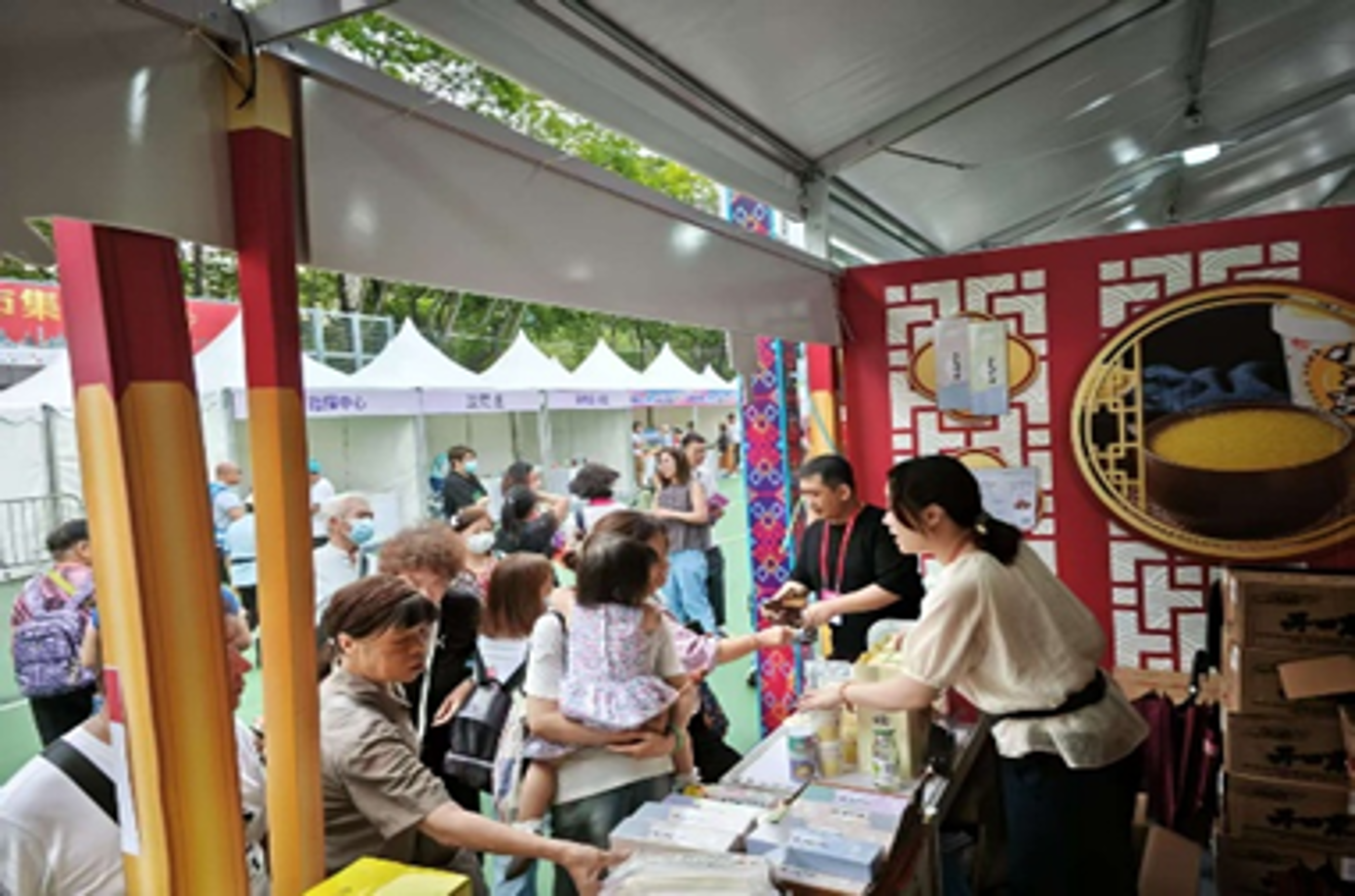
On 12 September, Jade Premium held a Hong Kong supply product selection event in Guangzhou. Quality enterprises from Inner Mongolia, Jiangxi, Hebei, Guangdong and other places took the stage to connect with Hong Kong sellers.
Food business owners all understand one thing: whether a product is good is decided inside the workshop; but whether it can be sold into Hong Kong is decided outside the workshop.
How to label, how to obtain Hong Kong supply certification, which channel to use for customs declaration, which shelves to get onto in Hong Kong… these matters are complex, tedious and interlinked.
Many companies are not held back by poor products, but by compliance and channels in the “last mile”.
Why target Hong Kong first? Because it is the most cost-effective first stop for Mainland food going global: a mature market of over 7 million people, with strong spending power, a natural affinity for Mainland ingredients, and labelling, certification and quarantine standards aligned with international norms.
Running through the compliance system once in Hong Kong is equivalent to conducting a stress test in advance for more distant overseas markets—if Hong Kong shelves accept your product, buyers in Singapore, Dubai and Toronto have one more reason to trust you.
I. A Gathering of Outstanding Enterprises
Without further ado, let us see who took the stage this time.
Longhe Noodle Industry’s buckwheat dried noodles are generous with ingredients: premium wheat from the Central Hebei Plain; from 100 jin of wheat, only 20 jin of finely milled wheat core flour is extracted; low-temperature gentle milling preserves the wheat’s natural nutrients; 360-degree hand-rolling simulation; resistant to cooking, does not go soggy or cloud the broth, with a chewy texture and health benefits.
Its products are strong, and its approach is even smarter—HACCP certification, HKQAA Hong Kong supply certification, and export food production enterprise registration all obtained in one go; it accepts small-batch first orders for trial sales and replenishes as they sell, using the lowest cost to validate the Hong Kong market before scaling up.
Today its noodles have entered multiple street markets and supermarkets in Hong Kong, with a leading repurchase rate. From Mainland factory to Hong Kong shelf, this path of “trial and error first, then scale up” has been fully proven.
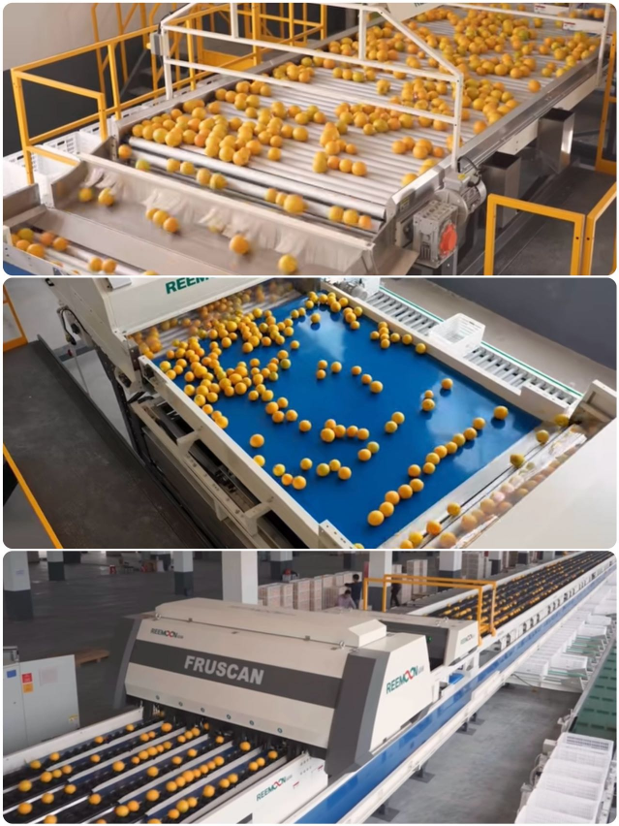
Chengyuan Jili’s oranges come from the source of the Dongjiang River, Hong Kong’s drinking water source; selenium-rich red soil combined with mountain spring water irrigation; large, well-shaped, crisp and juicy. Hand-picked to protect the integrity of the fruit from the source.
One fruit, one code; scan to view the full process from planting, fertilisation, harvesting to sorting. Equipped with its own professional pesticide residue testing laboratory, regularly issuing SGS international authoritative test reports, every bite is safe and transparent—visible reassurance.
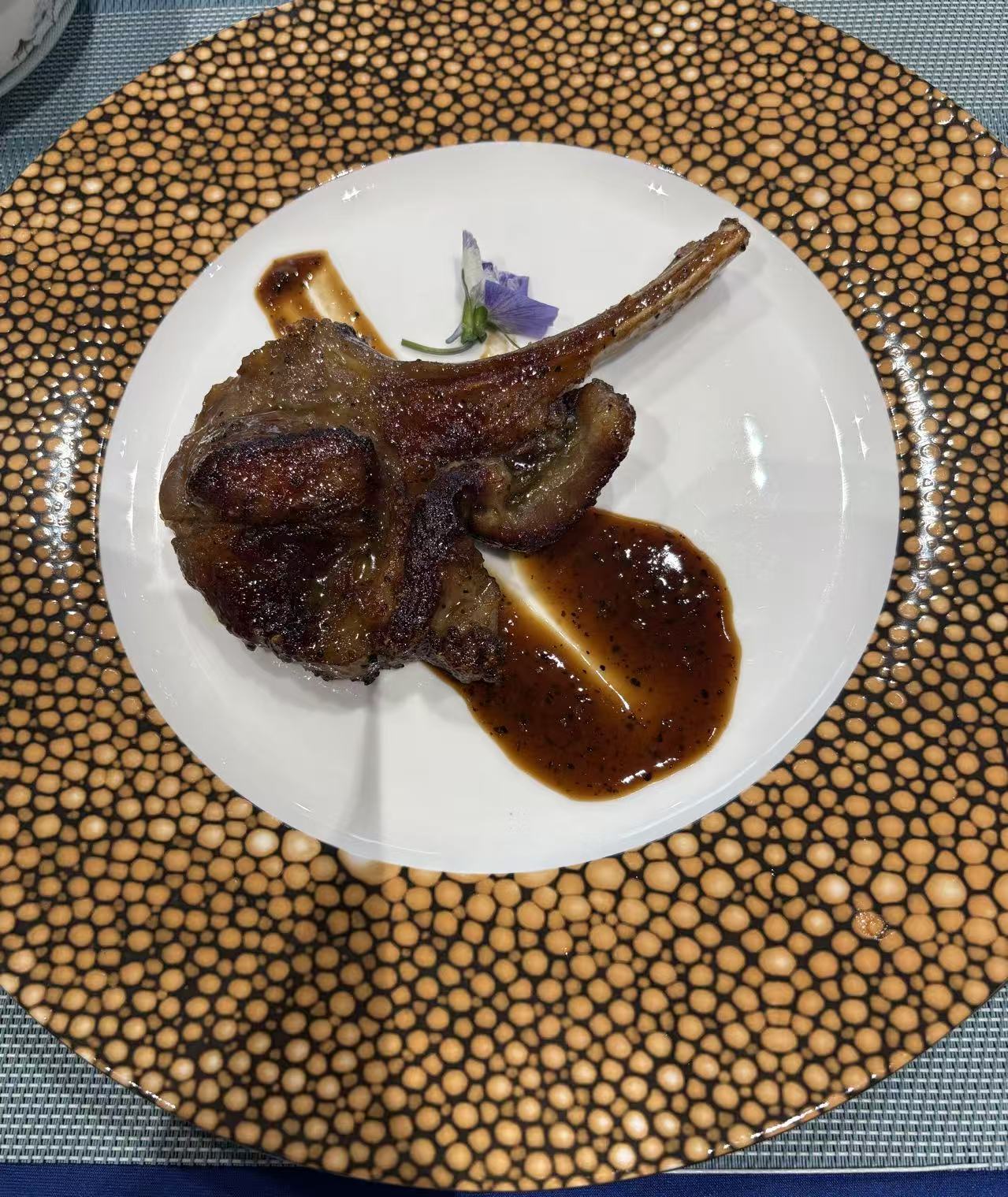
Caoyuan Xinhe’s ranch is located in the Hetao Plain and Urad Grassland—the only prefecture-level mutton-producing area in China with “year-round slaughter and balanced market supply”, with over 79 million mu of natural pasture ensuring stable year-round supply.
Mutton fears being “unaccountable”; it chooses to make everything “traceable”: halal slaughter, strict implementation of the ISO9001 quality management system and HACCP food safety system, scan code to trace origin and quarantine information.
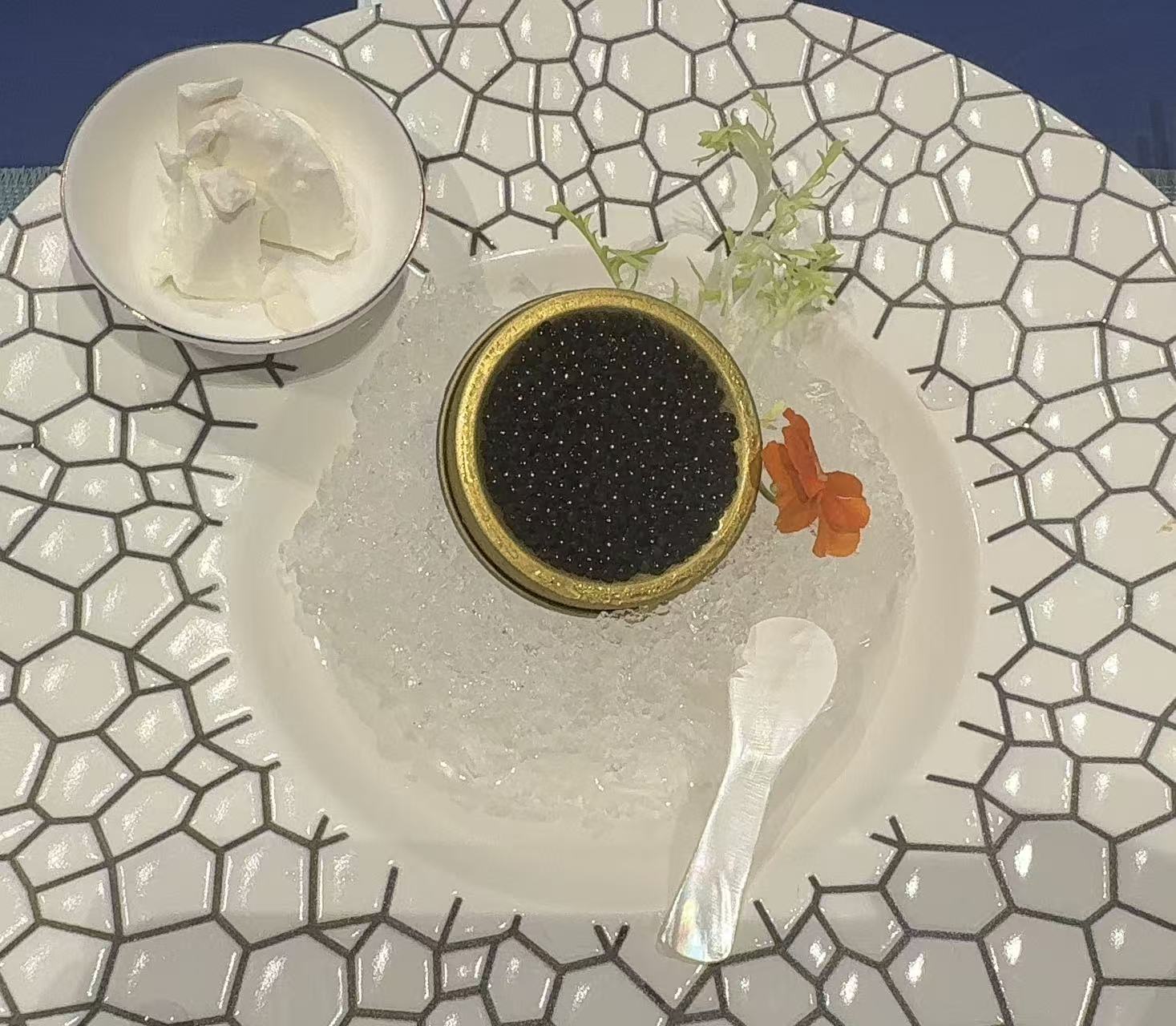
Jiangxi Xunhuang cultivates “black gold” with Chinese confidence. Sturgeon caviar, along with truffles and foie gras, is known as one of the world’s three most expensive delicacies. The company has developed a complete product grading system based on fish ages from 7 to 20 years, among which “Xunlong No. 1” is a national aquatic new variety unique to China; the entire farming process is free of antibiotics and hormones, and processing adds only imported salt; annual caviar production can reach 80,000 kg. High-end ingredients compete not only on taste, but also on a matrix of qualifications: CITES permits, HACCP, ISO22000, US FDA registration; products have been exported to the US, Canada, Japan, Singapore and other markets. It takes another path—using a full set of international compliance documents to directly open the door to high-end channels.
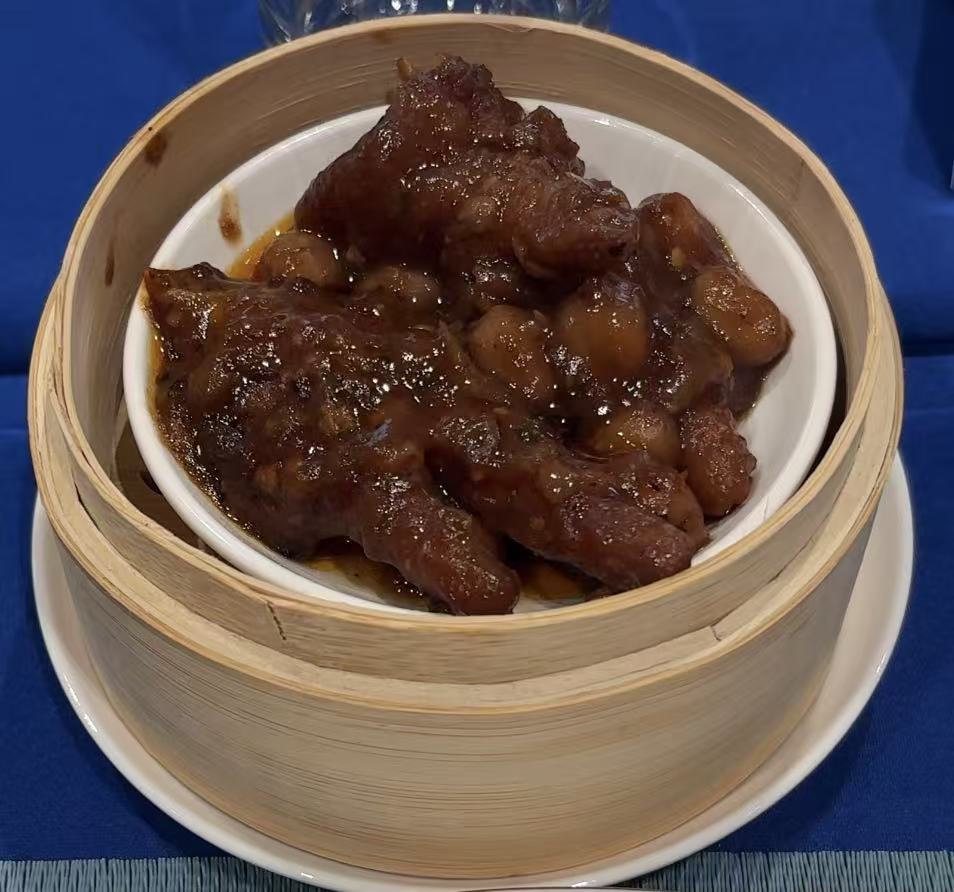
Daoxiang Chengzhi’s black bean sauce chicken feet are a signature dish—plump meat, rich black bean aroma, tender enough to fall off the bone with a gentle suck, with a recipe continuing the craftsmanship of a century-old Hong Kong brand.
Behind this is strict management according to EU standards. It turns the company’s strength itself into the strongest sales pitch, and reminds peers: in an unfamiliar market, credibility is the most expensive entry ticket.
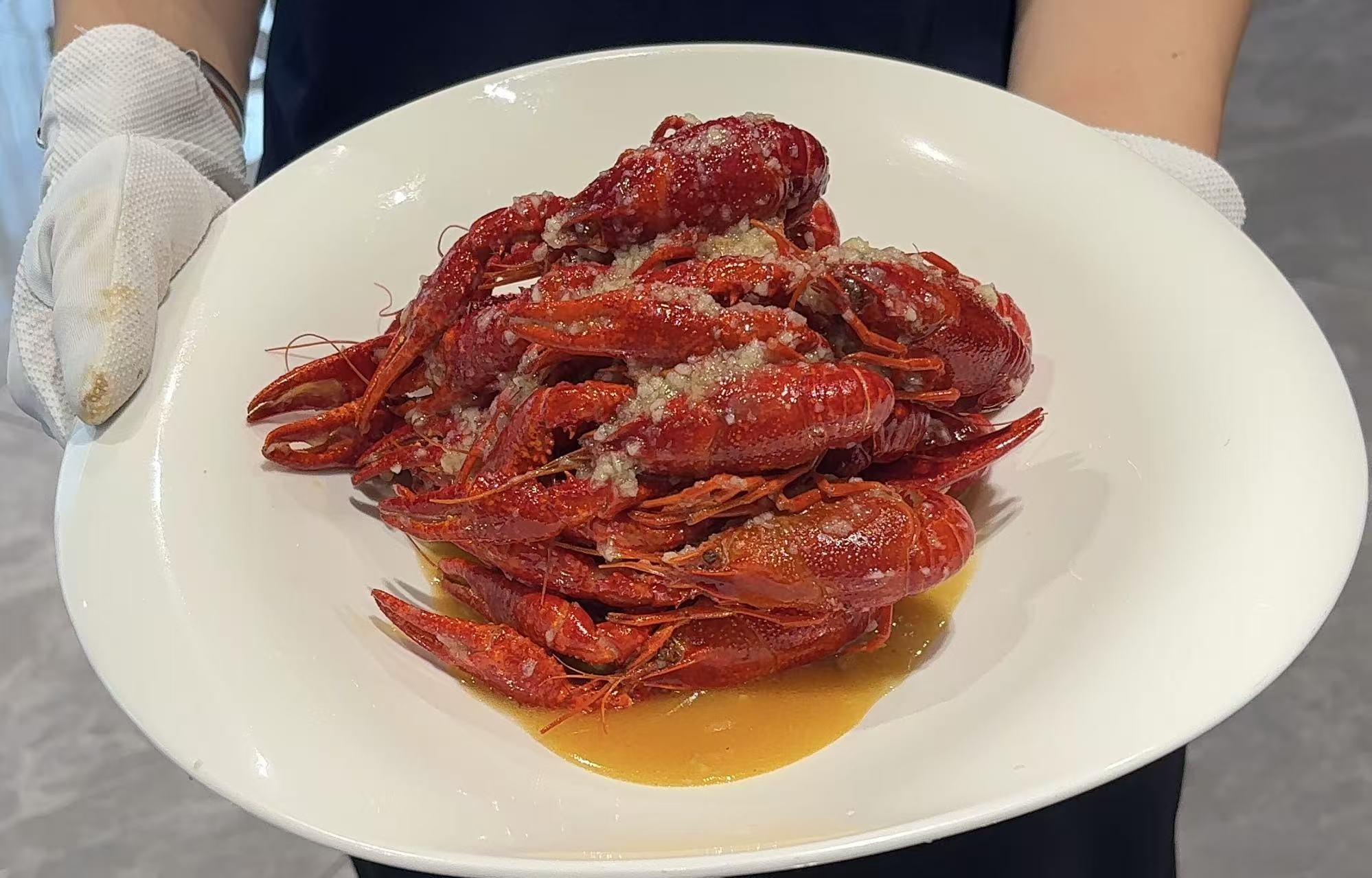
Huashan Technology is rooted in the core production area of shrimp-rice co-cropping, with 80,000 mu of its own base, clear water, white shrimp gills, full shrimp roe, fully traceable. The factory is built according to HACCP and EU EEC standards, has obtained ISO22000, BRC and hygiene registrations in the US, EU, Vietnam and South Korea, and is the only Chinese supplier to UK M&S; Yum!, Juewei and Zhou Hei Ya are all partners.
II. Good Wine Fears a Deep Alley
If your product has already proven itself in the Mainland—on supermarket shelves, with stable repeat purchases and solid word of mouth—then you have already passed the quality test. What you have always lacked is not quality, but someone to help push open the door to Hong Kong.
How hard is it to push open this door?
Hong Kong supply certification, export registration, which customs clearance channel to use, how to meet cold-chain temperature control standards… every step is a field of expertise. More realistically, there are the channels—Hong Kong’s supermarkets, street markets and catering systems each have their own entry thresholds.
Without a guide, you do not even know which door to knock on.
The market waits for no one. Hong Kong consumers are increasingly receptive to premium Mainland ingredients, and the window is opening: for the same product, being listed a year earlier or a year later could mean the difference between being first and fifth in the category.
By the time you have figured out the entire process yourself, the best shelf positions may already have been taken by competitors.
Jade Premium’s Hong Kong supply product selection event is designed for this window of opportunity.
The list for the next event is being finalised—why shouldn’t you be the one on stage this time? Food going global depends half on “internal strength”—quality, capacity and quality control—and half on “external skills”—certification, labelling, customs clearance and channels. What stalls most companies is precisely the external skills.
This is exactly why Jade Premium exists:
export compliance coaching: Hong Kong’s labelling rules, certification systems and registration procedures, telling you what is needed and in what order, so you do not take unnecessary detours;
customs clearance and logistics: fully controllable cold-chain transport, one-stop fulfilment at the park;
direct channel access: put your products directly in front of Hong Kong buyers, saving you the time of knocking on doors one by one; cost and risk: international procurement, advance payment procurement and small-batch trial sales solutions, letting you validate the market at minimum cost;
marketing and branding: integrated marketing and product development support, helping you tell your story well in an unfamiliar market.