SIAL Guangzhou 2026: Leveraging Guangzhou as a Gateway to Global Food & Beverage Trade
2026-09-03 to 2026-09-05
This marked the first time in the exhibition’s 62‑year history that it was held in Guangzhou. Positioned as the “first stop for entering the Bay Area and going global”, the show established a professional trade platform serving the Guangdong‑Hong Kong‑Macau Greater Bay Area and radiating across Asia.
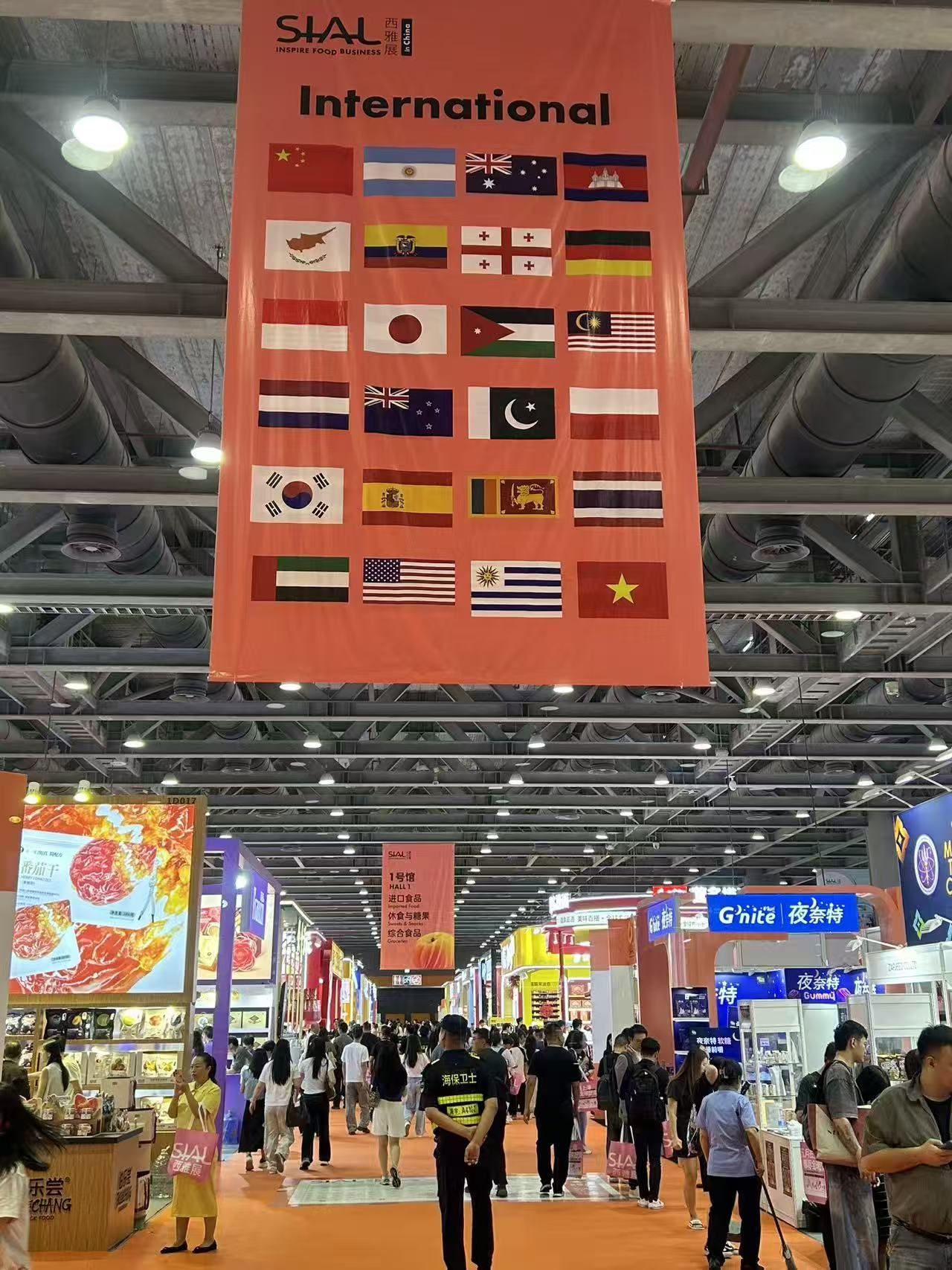
The scale figures are impressive: 60,000 sqm of exhibition space, over 1,500 exhibitors from 50 countries and regions, and more than 100,000 innovative food and beverage products, expected to attract over 65,000 professionals.
What deserves the most attention is the profound shift in product logic.
Functional foods exploded across the board – products featuring high protein, gut health and mood‑soothing benefits were prominently displayed. Bakery categories are transitioning from traditional staples to functional light meals. Thousands of new products were launched simultaneously: tea‑infused cross‑category beverages, localised low‑alcohol drinks, ready‑to‑eat herbal wellness products and lightweight prepared dishes. Health is no longer a marketing concept; functionality is no longer just a label – consumers demand tangible, tasteable value.
Health and functionality became the dominant themes. Concepts such as low‑fat, sugar‑free, high‑protein and meal replacement continued to gain traction; beverages with clean labels and healthy convenience foods were highlights for visitors. IP‑co‑branded snacks, multi‑textured chocolates and confectionery, tea‑coffee hybrid ready‑to‑drink products, and functional snacks rooted in the “food as medicine” tradition all made their appearance.
Prepared dishes and convenience foods entered a boom phase. As one of the show’s hottest sectors, quick‑home‑style dishes and banquet‑ready prepared meals showcased the industry’s frontier trends. From self‑heating meals and freeze‑dried instant foods to frozen dough‑based products, the industry consensus is clear: convenience and quality must go hand in hand.
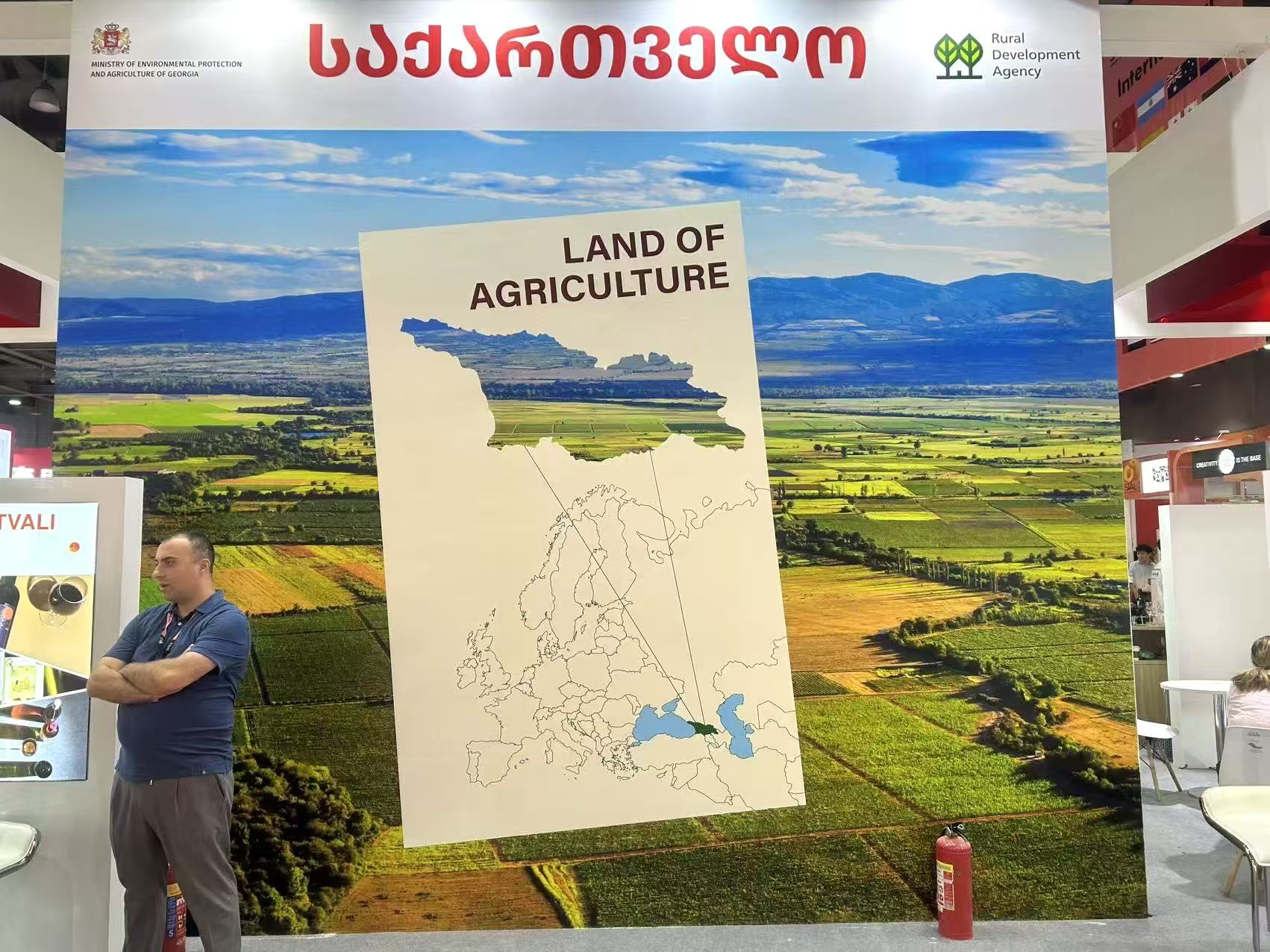
Southeast Asia emerged as the dominant force. Thailand set up dual pavilions – a national pavilion and a halal food pavilion – targeting mass‑catering prepared‑food channels and the global halal market respectively. Indonesia, Malaysia and Vietnam brought instant coffee, tropically processed snacks and specialty ingredients. Georgia presented qvevri‑aged wine, while Sri Lanka and New Zealand showcased spices and bee products. The exhibition space and exhibitor numbers from Southeast Asian countries both hit new highs, making them the most vibrant contingent at the show. These countries are not merely selling products – they are seeking deep integration with China’s supply chains.